
Understanding Testosterone Decline and Treatment Options in Rhode Island
Testosterone therapy RI providers offer personalized hormone replacement options for men experiencing symptoms of low testosterone. Here’s what you need to know:
- Testing and Diagnosis: Morning blood tests (before 10 AM) on two separate days
- Treatment Options: Injections ($150-200/month), gels ($180-250/month), pellets ($350-450 per procedure)
- Insurance Coverage: Most RI plans cover TRT with documented low T (below 350 ng/dL)
- Where to Get Help: Center for Men’s Health Rhode Island in Providence offers comprehensive testing and treatment
- Timeline: First benefits appear within 2-3 weeks; full results in 3-6 months
Are you constantly tired despite a full night’s sleep? Has your sex drive disappeared? Are you struggling to maintain muscle mass despite regular workouts? These could be signs of low testosterone, a condition affecting nearly half of Rhode Island men over 45.
Testosterone is the quintessential male hormone, but levels naturally decline by about 1-2% per year starting around age 30. By the time many men reach their 40s or 50s, this decline can lead to noticeable symptoms that affect quality of life.
The good news? This condition is highly treatable with proper medical care.
I’m Len Berkowitz, co-founder of Center for Men’s Health Rhode Island, where I’ve helped hundreds of men overcome the challenges of low testosterone through personalized testosterone therapy RI protocols that combine hormone optimization with lifestyle strategies.
Learn more about testosterone therapy ri:
– bioidentical hormones rhode island
Why Testosterone Matters for Men’s Health
Testosterone isn’t just about muscle cars and locker room talk—it’s the fundamental androgenic hormone that powers nearly every system in a man’s body. Like engine oil, when levels run low, everything starts to sputter.
This powerful hormone builds muscle mass, supports healthy bones, regulates fat storage, and keeps red blood cell production functioning properly. It’s also your body’s natural energy drink, mood stabilizer, and motivation booster all in one.
What many men don’t realize is that low testosterone is linked to increased cardiovascular risk. Research suggests men with low T may face a higher chance of developing heart disease—which is why proper hormone balance isn’t just about feeling good, it’s about longevity.
What Testosterone Does Beyond the Bedroom
While most associate testosterone with sexual performance, its influence extends much further.
Mental clarity and focus often disappear when testosterone drops. Our patients frequently describe it as “trying to think through fog.”
“I thought I was just getting old when I couldn’t focus at work anymore,” one patient shared. “After starting testosterone therapy RI at your clinic, it’s like someone turned the lights back on in my brain.”
Your mood takes a hit too. Confidence and emotional stability depend heavily on proper testosterone levels. When it dips, irritability, anxiety, and even depression often follow.
Testosterone also plays a surprising role in metabolic health by regulating insulin sensitivity. When levels fall, your body struggles to process sugar efficiently, potentially increasing your risk for type 2 diabetes.
Age-Related Decline & Its Impact
Testosterone production typically peaks around age 25, then begins its slow descent at approximately 1% per year. By 70, many men have testosterone levels that are 30% lower than their prime.
This gradual decline, sometimes called “andropause,” isn’t as sudden as female menopause, but its effects can be just as life-altering. As testosterone naturally drops, you might notice:
- Your workout results aren’t what they used to be
- Stubborn pounds around your midsection refuse to budge
- Your energy tank runs on empty by mid-afternoon
- Drive and ambition that fueled your career seems to have vanished
- Emotional resilience isn’t what it once was
- Sexual function and desire may be waning
Perhaps most frustrating is the metabolic slowdown that creates a challenging cycle: lower testosterone leads to increased belly fat, which then converts more testosterone to estrogen, further suppressing your testosterone levels.
At Center for Men’s Health Rhode Island in Providence, we understand this struggle and help men break this cycle through appropriate testosterone therapy RI combined with effective lifestyle changes.
Diagnosing Low Testosterone in Providence: Tests, Causes & Eligibility
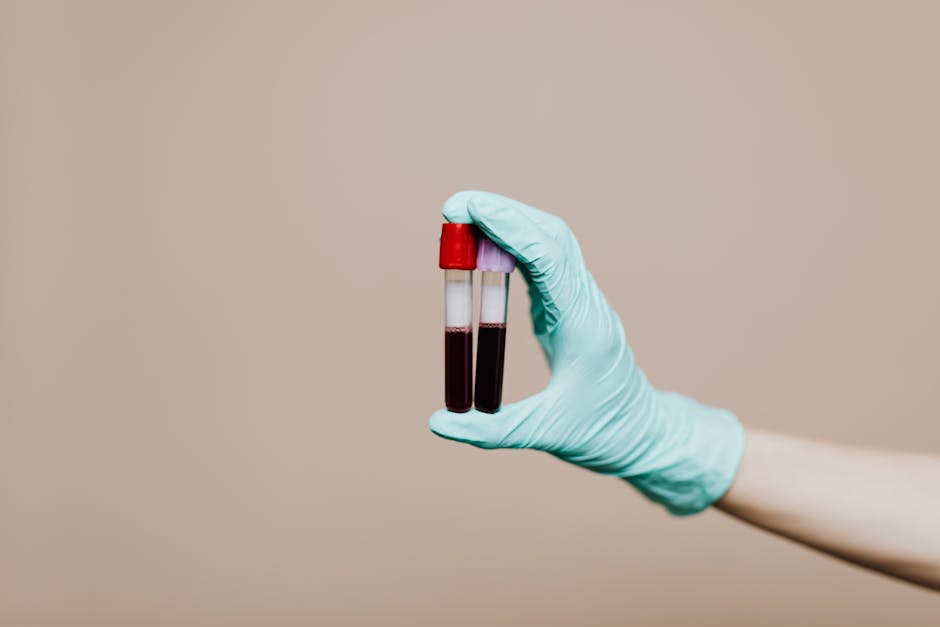
Getting a proper diagnosis for low testosterone requires a thorough approach. At Center for Men’s Health Rhode Island in Providence, we follow a comprehensive diagnostic protocol:
We schedule morning blood draws before 10 AM when your levels are at their peak, and follow the “two-test rule” because testosterone can fluctuate naturally.
Beyond checking total testosterone, we run a comprehensive hormone panel that looks at:
- Free testosterone (the biologically active form)
- Sex Hormone Binding Globulin (SHBG)
- Luteinizing Hormone (LH) and Follicle Stimulating Hormone (FSH)
- Estradiol (a form of estrogen)
- Prolactin, Complete Blood Count, PSA, and thyroid function tests
This approach helps us identify not just whether your testosterone is low, but why—which is crucial for effective treatment.
Common Symptoms & Red Flags
While lab tests confirm the diagnosis, symptoms usually bring men through our doors first.
Physical symptoms include chronic fatigue, decreased muscle mass despite gym efforts, and stubborn belly fat. Some men also experience hair loss, increased sweating, or hot flashes.
In the bedroom, low testosterone typically shows up as reduced libido. Many men also notice weaker erections, decreased semen volume, or reduced sexual satisfaction.
Cognitive and emotional symptoms can be especially troubling: brain fog, memory issues, irritability, or persistent low mood.
As one patient told us, “I thought I was developing early dementia when I couldn’t focus at work anymore. Finding out it was just low testosterone was actually a relief!” These symptoms aren’t “just aging”—they’re signs your body needs help.
Primary vs Secondary Hypogonadism
Understanding why your testosterone is low guides our treatment approach:
Primary Hypogonadism means the problem originates in your testicles themselves. This might be due to testicular injury, past mumps infection, effects of chemotherapy or radiation, genetic disorders, or age-related decline in testicular function.
Secondary Hypogonadism happens when your brain isn’t sending proper signals to your testicles. Common causes include obesity, pituitary gland problems, chronic stress, sleep apnea, excessive alcohol consumption, or certain medications—especially opioids and some psychiatric drugs.
At Center for Men’s Health Rhode Island, we carefully differentiate between these types because they require different approaches.
Insurance & Lab Criteria
Most insurance plans in Rhode Island cover testosterone therapy RI when there’s documented medical necessity. Typically, insurance companies look for:
- Total testosterone levels below 350 ng/dL (though thresholds vary by plan)
- At least two separate morning blood tests confirming low levels
- Documented symptoms of low testosterone
- Ruling out other potential causes for your symptoms
Without insurance, costs for testosterone therapy RI typically range from $150-200 monthly for injections, $180-250 for gels, or $350-450 per pellet insertion procedure (which lasts 3-6 months).
Want to learn more about how we test for low testosterone? Visit our Testosterone Testing page for detailed information.
Testosterone Therapy RI: Options, Benefits & Risks
Testosterone therapy RI isn’t a one-size-fits-all solution—it’s a personalized journey we craft together at Center for Men’s Health Rhode Island.
When men visit our Providence clinic, they’re often surprised by the variety of options available:
| Method | Advantages | Considerations | Typical Cost |
|---|---|---|---|
| Injections | – Precise dosing – Cost-effective – 1-2x weekly administration – Reliable absorption |
– Requires injection skill – Some fluctuation in levels – Needle use |
$150-200/month |
| Gels/Creams | – Daily consistent levels – No needles – Easy application |
– Risk of transfer to others – Variable absorption – Daily application needed |
$180-250/month |
| Patches | – Steady release – No needles – Discreet |
– Skin irritation common – May not stick well – Daily application |
$200-300/month |
| Pellets | – Longest duration (3-6 months) – No daily administration – Steady levels |
– Minor procedure required – Cannot adjust dose once inserted – Higher upfront cost |
$350-450/procedure |
| Nasal Spray | – No skin contact – Quick absorption – Lower DHT conversion |
– Multiple daily doses – Nasal irritation possible – Newer option |
$200-300/month |
I remember Tom, a busy executive who traveled weekly. He chose pellets because, as he put it, “I can’t be bothered to remember daily applications when I’m jumping time zones.” Meanwhile, Mike, a local teacher, preferred injections for the cost savings and precise control.
Who Is a Good Candidate for Testosterone Therapy RI
Good candidates typically have consistently low testosterone levels confirmed by at least two morning blood tests, along with noticeable symptoms that affect daily life.
Safety comes first, so we carefully screen for contraindications like prostate cancer, male breast cancer, severe sleep apnea, uncontrolled heart failure, or high red blood cell counts.
The best candidates also bring realistic expectations and a willingness to partner with us through regular monitoring.
Expected Timeline & Outcomes
In the first 2-3 weeks, you’ll likely notice the mental fog lifting. Energy levels improve, and you might find yourself waking up ready to tackle the day. Some men also notice the first stirrings of improved libido.
By the 1-3 month mark, physical changes become more apparent. Your workouts become more productive, with increased strength and stamina. Body composition starts shifting—less belly fat, more muscle definition. Sexual function typically improves significantly.
Between 3-6 months, these benefits deepen and stabilize. Your mood becomes more consistent, body composition continues improving, and metabolic markers often show positive changes.
After 6-12 months, the long-term benefits emerge. Bone density increases, metabolic health continues to improve, and the earlier benefits maintain.
Potential Side Effects & Monitoring
The most common side effect is polycythemia—an increase in red blood cell count that affects about 20% of men on TRT. This is why we monitor your hematocrit levels regularly and may recommend blood donation if needed.
Some men experience acne or oily skin, particularly in the first few months. Fluid retention can occur, causing mild swelling in the ankles or feet.
Other potential effects include breast tenderness, testicular shrinkage, and reduced fertility while on standard therapy.
For men over 40, we keep a close eye on prostate health with regular PSA screening. According to the Mayo Clinic, while there’s no conclusive evidence that testosterone therapy causes prostate cancer, monitoring is still important.
Our monitoring protocol includes blood work at 6 weeks, 3 months, and then quarterly thereafter to optimize your results.
Administration Walk-Through
If you choose injections, our nurse practitioners will provide hands-on training. Most men are surprised by how simple the process becomes—a quick 5-minute routine done weekly or twice weekly.
For gel users, the morning routine becomes as simple as applying deodorant. Apply to clean, dry shoulders, upper arms, or abdomen, let it dry for 3-5 minutes, and wash your hands thoroughly.
The pellet procedure is quick and nearly painless. During a 15-minute office visit, we numb a small area, make a tiny incision, insert several rice-grain-sized pellets, and close with surgical glue or a small bandage.
For more detailed information about our testing procedures, visit our Testosterone Testing page.
Supporting Your Hormones Naturally: Lifestyle & Alternatives

While testosterone therapy RI can be life-changing for men with clinically low levels, the best results come from a comprehensive approach. At Center for Men’s Health Rhode Island, we’ve seen remarkable improvements when men combine medical treatment with targeted lifestyle changes.
Strength training stands out as perhaps the most powerful natural testosterone booster available. Compound movements like squats and deadlifts signal your body to ramp up hormone production. Even just 3-4 weekly sessions can make a noticeable difference.
“I started lifting three times a week alongside my treatment,” shares Mike, a 52-year-old patient. “The combination has me feeling stronger than I did in my 30s.”
Quality sleep (7-9 hours nightly) provides the foundation for hormone production, with most testosterone actually being made while you’re dreaming.
Living in Rhode Island means many of us develop vitamin D deficiency during our long winters. This sunshine vitamin is crucial for testosterone production, which is why we test levels and often recommend supplementation.
Stress management deserves special attention. When you’re constantly stressed, your body produces cortisol, which directly suppresses testosterone.
Carrying extra weight, especially around your midsection, creates a problematic cycle. Fat tissue actually converts testosterone to estrogen, further lowering your available testosterone.
Your diet provides the building blocks for hormone production. Zinc (found in oysters and beef), magnesium (abundant in dark chocolate and avocados), healthy fats, and adequate protein all support optimal testosterone levels.
For men who need treatment but wish to preserve fertility or prefer alternatives to direct testosterone replacement, we offer several options:
Enclomiphene stimulates your body’s own testosterone production rather than replacing it externally.
Human Chorionic Gonadotropin (hCG) works similarly to your body’s natural signals, telling your testicles to produce testosterone while maintaining fertility.
Maximizing TRT Results With Habits
For men already on testosterone therapy RI, certain lifestyle choices can dramatically amplify your results.
Resistance workouts become even more effective when combined with hormone optimization. Many of our patients express amazement at how much stronger they become when combining therapy with consistent workouts.
The Mediterranean diet pairs perfectly with testosterone therapy. Rich in olive oil, fatty fish, nuts, seeds, and colorful vegetables, this eating pattern provides the ideal nutritional foundation for hormone health.
Be mindful of your alcohol consumption. While the occasional drink is fine, excessive alcohol can undermine the benefits of your therapy.
Maintaining a consistent sleep schedule helps synchronize your body’s natural rhythms with your treatment.
Stress reduction remains crucial even during treatment. Chronic stress creates a hormonal environment that works against your therapy goals.
Fertility-Preserving Protocols
One important consideration with standard testosterone therapy RI is its potential impact on fertility. External testosterone can suppress your body’s natural production and dramatically reduce sperm count.
For men who want to maintain fertility while addressing low testosterone symptoms, we offer several effective approaches:
Sperm banking before beginning therapy provides insurance for future family planning.
Adding hCG to your protocol helps maintain testicular function and sperm production even while receiving testosterone.
Clomiphene citrate offers another pathway, stimulating your body’s own testosterone production without suppressing sperm count.
Some men benefit from sequential therapy—planned cycles of treatment with breaks that allow recovery of sperm production.
For more information about testing options, visit our Testosterone Testing page.
Frequently Asked Questions about Testosterone Therapy in Rhode Island
How long do I need to stay on therapy?
Testosterone therapy RI is typically a long-term commitment for most patients. Think of it like insulin for diabetes or thyroid medication—it addresses a deficiency that your body isn’t likely to correct on its own.
Most men with age-related testosterone decline will need to continue treatment to maintain the benefits. When patients stop therapy, symptoms usually return within 1-3 months as testosterone levels drift back to their pre-treatment baseline.
“I tried going off treatment after feeling great for six months,” one patient told me recently. “Within weeks, I felt like I’d been hit by a truck—all the fatigue and brain fog came rushing back.”
That said, there are exceptions. If your low testosterone was caused by temporary factors like certain medications, extreme dieting, or overtraining, you might be able to discontinue therapy once these underlying issues are resolved.
Will testosterone therapy affect my fertility?
Yes, standard testosterone therapy RI typically reduces sperm production and can cause temporary infertility. This happens because when you introduce external testosterone, your brain stops sending signals to your testicles to produce both testosterone and sperm.
The good news? This effect is almost always reversible, and we have several ways to maintain fertility while treating low testosterone:
At Center for Men’s Health Rhode Island, we offer fertility-preserving options including medications like hCG or clomiphene that stimulate your body’s natural testosterone production without shutting down sperm production. Many men also choose to bank sperm before beginning therapy as an insurance policy for future family planning.
For men who want the best of both worlds, we can design combination protocols that include both testosterone and medications that maintain testicular function and fertility.
Is TRT covered by insurance in Rhode Island?
Yes, most insurance plans in Rhode Island do cover testosterone therapy RI when there’s proper documentation of medical necessity. Insurance typically requires:
- Blood tests showing testosterone levels below 350 ng/dL on at least two separate morning tests
- Documented symptoms consistent with low testosterone
- Confirmation that other potential causes have been ruled out
At Center for Men’s Health Rhode Island, we work with all major insurance providers in the state and have become quite skilled at navigating the sometimes confusing requirements.
For patients whose insurance doesn’t cover treatment or who have high deductibles, we offer transparent self-pay options and flexible payment plans.
Conclusion & Next Steps
The journey through low testosterone doesn’t have to be a permanent detour on your path to wellness. At Center for Men’s Health Rhode Island, we’ve seen hundreds of men transform their lives with proper diagnosis and personalized testosterone therapy RI plans that restore energy, vitality, and confidence.
What makes our approach different is the integration of medical expertise with practical lifestyle strategies. We don’t just treat numbers on a lab report – we treat you as a whole person with unique needs and goals.
Our Providence clinic specializes in helping men reclaim their sense of wellbeing through:
- Comprehensive testing that looks beyond basic hormone panels to identify root causes
- Truly personalized treatment custom to your lifestyle and specific health needs
- Multiple treatment options including injections, gels, and pellets to fit your routine
- Careful monitoring with regular follow-ups to ensure optimal results
- Transparent pricing with flexible payment plans and insurance coordination
- Ongoing support from our dedicated team who understand men’s health challenges
One patient recently told us, “For years I just accepted feeling tired and foggy as ‘normal aging.’ Starting testosterone therapy RI at your clinic was like turning back the clock ten years. I wish I hadn’t waited so long to get help.”
Don’t let another day pass feeling less than your best. The first step is a simple consultation to discuss your symptoms and determine if hormone optimization might help you regain the vitality you’ve been missing.
For more information or to schedule your confidential consultation, visit our Testosterone Testing page or call our Providence office today.
Remember: There’s a significant difference between getting older and feeling old. With the right approach to hormone optimization, you can enjoy increased energy, sharper mental clarity, improved physical performance, and a renewed sense of wellbeing for years to come.