
Why BPH Holistic Treatment Matters for Your Prostate Health
BPH holistic treatment offers a natural approach to managing prostate enlargement through lifestyle changes, herbal supplements, and dietary modifications. Here are the most effective holistic options:
- Lifestyle modifications: Reducing evening fluids, limiting caffeine and alcohol, timed voiding
- Herbal supplements: Saw palmetto, pygeum, stinging nettle, beta-sitosterol
- Nutritional strategies: Lycopene-rich foods, zinc, pumpkin seed oil, green tea
- Watchful waiting: Monitoring mild symptoms before pursuing medical intervention
- Pelvic exercises: Relaxation techniques (not strengthening/Kegels)
If you’re a man over 50 experiencing frequent nighttime trips to the bathroom, a weak urine stream, or difficulty emptying your bladder completely, you’re not alone. Benign prostatic hyperplasia (BPH) affects up to 80% of men by age 80, and it starts developing for many in their 40s.
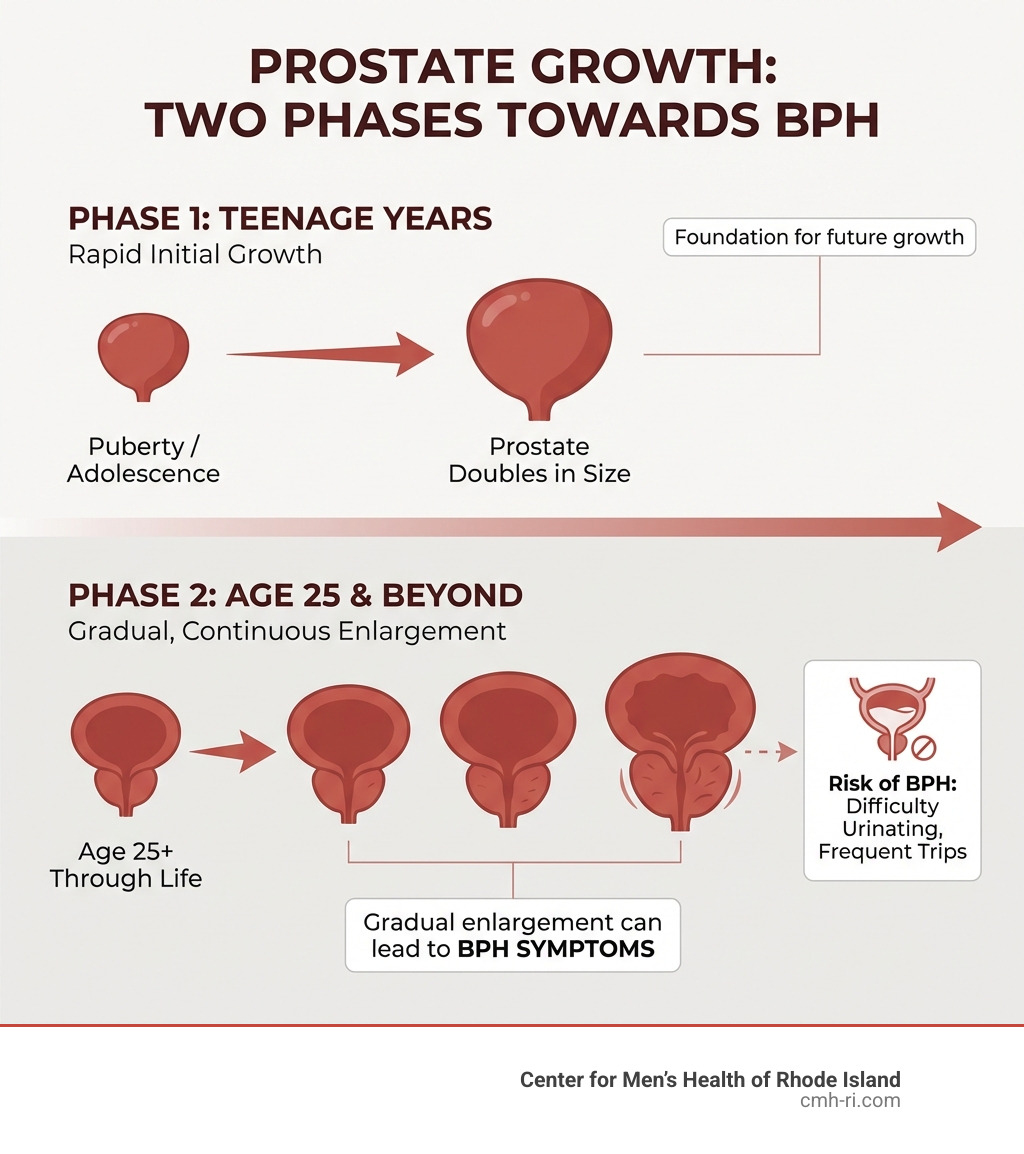
The prostate gland naturally grows in two main phases—during your teenage years and again from age 25 onward. As this walnut-sized gland continues to enlarge with age, it can squeeze the urethra and make urination increasingly difficult. While conventional treatments like alpha-blockers and surgery work for many men, a growing number are exploring holistic approaches that address the root causes of prostate growth through natural means.
The appeal of holistic treatment lies in its focus on the whole person—not just symptom management. Research shows that certain lifestyle changes, herbal supplements, and dietary adjustments can help reduce BPH symptoms with fewer side effects than prescription medications. However, it’s important to understand that clinical research on natural remedies remains mixed, and the American Urological Association does not currently recommend herbal therapy as a primary treatment for BPH.
I’m Len Berkowitz, a nationally certified physician assistant with 17 years of frontline experience in men’s health. At the Center for Men’s Health Rhode Island in Providence, I work with men exploring BPH holistic treatment options alongside conventional therapies, helping them make informed decisions based on the latest evidence and their personal health goals.
Basic bph holistic treatment glossary:
Understanding Benign Prostatic Hyperplasia (BPH) and Its Symptoms
Benign prostatic hyperplasia (BPH), or an enlarged prostate, is a common and often bothersome condition that affects men as they age. It’s not cancerous, but it can significantly impact quality of life due to its effect on urinary function.
What is BPH?
The prostate is a small, walnut-shaped gland located just below the bladder and in front of the rectum. Its primary role is to produce seminal fluid, which transports sperm. Throughout a man’s life, the prostate undergoes two main growth phases: it doubles in size during adolescence, and then continues to grow from around age 25 onward. For many men, this second phase of growth leads to BPH. By age 50, about half of men will show some signs of BPH, and this figure rises to 80% by age 80.
Common Symptoms of BPH
As the prostate enlarges, it can press against the urethra (the tube that carries urine from the bladder out of the body), obstructing the flow of urine. This obstruction leads to a collection of symptoms known as Lower Urinary Tract Symptoms (LUTS). These symptoms can be broadly categorized into “storage” and “voiding” issues.
Common BPH symptoms include:
- Frequent urination: Feeling the need to urinate more often, both during the day and night.
- Nocturia: Waking up multiple times during the night to urinate. This can disrupt sleep and lead to fatigue.
- Urinary urgency: A sudden, strong need to urinate that is difficult to postpone.
- Weak urine stream: A noticeably weaker or slower flow of urine.
- Trouble starting urination: Hesitancy or difficulty initiating the urine stream.
- Intermittency: The urine stream starting and stopping several times.
- Straining: Needing to push or strain to urinate.
- Feeling of incomplete bladder emptying: Even after urinating, feeling like the bladder isn’t completely empty.
- Urine leakage: In some cases, BPH can contribute to urine leakage or dribbling.
These symptoms can range from mild to severe and can significantly affect a man’s comfort and daily activities.
Underlying Causes and Risk Factors
While the exact cause of BPH isn’t fully understood, several factors contribute to its development:
- Age: This is the most significant risk factor. The prevalence of BPH steadily increases with age, affecting 30% of men over the age of 65 with LUTS.
- Hormonal changes: Hormones play a crucial role. As men age, the balance between testosterone and estrogen changes. Dihydrotestosterone (DHT), a potent derivative of testosterone, is particularly implicated. DHT stimulates prostate cell growth, and an enzyme called 5-alpha-reductase converts testosterone into DHT.
- Stromal-epithelial interactions: The interplay between the prostate’s glandular (epithelial) and supportive (stromal) tissues is also thought to contribute to abnormal growth.
- Dietary factors: Certain dietary patterns may influence prostate health, though more research is needed.
- Genetics: A family history of BPH may increase a man’s risk.
Understanding these symptoms and causes is the first step toward finding effective management strategies, including comprehensive BPH holistic treatment plans.
The Role of Lifestyle Changes in BPH Holistic Treatment
When it comes to managing BPH, sometimes the simplest changes can make the biggest difference. Lifestyle modifications are a cornerstone of any effective BPH holistic treatment plan, offering relief for many men, especially those with mild to moderate symptoms.
Implementing Watchful Waiting for Mild Symptoms
For men with mild BPH symptoms that don’t significantly impact their quality of life, a strategy called “watchful waiting” is often recommended. This isn’t about ignoring the problem; it’s about active monitoring and proactive lifestyle adjustments.
Watchful waiting involves:
- Patient education: Understanding BPH, its symptoms, and potential progression.
- Symptom monitoring: Regularly tracking your symptoms to identify any changes or worsening.
- Lifestyle recommendations: Actively implementing the behavioral and dietary changes we’ll discuss.
This approach allows us to avoid unnecessary medications or procedures while ensuring we don’t miss any signs that might require more active intervention. It’s about empowering you to take control of your prostate health through informed decisions.
Behavioral Modifications for Urinary Control
Many BPH symptoms can be significantly improved by adjusting daily habits. These simple, actionable steps form a crucial part of BPH holistic treatment:
- Fluid management:
- Reduce evening fluid intake: Try to avoid drinking fluids for one to two hours before bedtime to minimize nighttime urination (nocturia).
- Limit fluids before going out: If you know you’ll be away from easy access to a bathroom, limit your fluid intake beforehand.
- Stay hydrated during the day: Don’t restrict fluids too much overall, as adequate hydration is important for general health.
- Bladder training:
- Urinate when you first get the urge: Don’t hold it for too long, as this can overstretch the bladder.
- Go to the bathroom on a timed schedule: Even if you don’t feel a strong urge, try to urinate every 2-3 hours to prevent your bladder from becoming too full.
- Practice double voiding: After urinating, wait a few moments and try to urinate again to ensure complete bladder emptying. Applying gentle pressure to the perineum (the area between the scrotum and anus) can sometimes help.
- Dietary adjustments:
- Reduce caffeine intake: Caffeine is a diuretic and a bladder irritant that can increase urinary frequency and urgency.
- Limit alcohol consumption: Alcohol can also act as a diuretic and irritate the bladder.
- Avoid bladder irritants: Foods with lots of seasoning, chocolate, citrus, and carbonated beverages can sometimes worsen urinary symptoms.
- Physical activity and weight management:
- Exercise regularly: Being physically active can improve overall health and may help manage BPH symptoms.
- Maintain a healthy weight: Obesity is a risk factor for BPH progression.
- Stress reduction: Stress can exacerbate urinary symptoms. Techniques like mindfulness, meditation, or light exercise can help manage stress.
- Medication awareness: Be aware that common over-the-counter drugs like antihistamines and decongestants can worsen urinary symptoms. Always check with your doctor or pharmacist.
- Stay warm: Cold temperatures can sometimes trigger urinary urgency and frequency.
A 2023 review on natural treatment options for an enlarged prostate underscores the importance of these simple behavioral changes. We often share these Providence, RI wellness tips with our patients, integrating them into their daily routines for better prostate health.
Top Herbal Supplements for Prostate Support
Herbal supplements, or phytotherapy, are a popular component of BPH holistic treatment, with many men seeking natural alternatives to conventional medications. While these options are “natural,” it’s crucial to approach them with a clear understanding of the scientific evidence, which can sometimes be mixed or limited.
The effectiveness of herbal remedies often depends on factors like herbal purity, the concentration of bioactive molecules, and whether the preparation is standardized. Unlike prescription medications, herbal remedies are not regulated by the FDA for quality or purity, meaning the amount of active ingredients can vary significantly between products.
Saw Palmetto and Beta-Sitosterol for BPH Holistic Treatment
Saw palmetto (Serenoa repens) is arguably the most well-known herbal remedy for BPH. It’s derived from the ripe berries of the dwarf palm and has been used for centuries to treat urinary problems.
- Mechanism: Saw palmetto is believed to work by inhibiting 5-alpha-reductase, the enzyme responsible for converting testosterone to the more potent dihydrotestosterone (DHT). DHT is a key driver of prostate growth. It also has anti-inflammatory properties and may reduce the number of estrogen and androgen receptors in the prostate.
- Evidence: The scientific evidence for saw palmetto is somewhat conflicting. While some National Institutes of Health (NIH) notes on saw palmetto mention that a few small-scale studies have suggested effectiveness for BPH symptoms, a comprehensive review of 27 studies found that saw palmetto was no more effective than a placebo. Similarly, a 2018 review linked daily consumption of saw palmetto extract with a reduction in BPH symptoms, but other research suggests its benefits are not as effective as traditional prescription medications. A recent meta-analysis did find that saw palmetto had similar effects to tamsulosin (a conventional alpha-blocker) in terms of International Prostate Symptom Score, quality of life, maximum flow rate, and postvoid residual volume, but not prostate volume.
- Beta-Sitosterol: This plant sterol, found in foods like saw palmetto, is often considered the active component responsible for any potential BPH symptom relief. Studies on beta-sitosterol have shown that men who took it experienced fewer symptoms and better urine flow compared to those on a placebo.
Pygeum Africanum and Stinging Nettle
Beyond saw palmetto, other botanicals also show promise in BPH holistic treatment.
- Pygeum Africanum: Extracted from the bark of the African plum tree (Prunus africana), Pygeum has been traditionally used to treat urinary issues.
- Mechanism: It’s thought to have anti-inflammatory and antioxidant effects. A 2024 test tube study on pygeum extract found it significantly decreased a pro-inflammatory cytokine called IL-6 in human peripheral blood cells, suggesting a potential mechanism for alleviating BPH symptoms.
- Evidence: A review of 18 studies indicated that Pygeum africanum improved symptoms, nighttime urination, urine flow, and reduced residual urine compared to a placebo. However, a 2023 review noted that natural substances, including pygeum, offered “only modest effectiveness” and highlighted the need for more research.
- Stinging Nettle (Urtica dioica): The root of the stinging nettle plant is another popular remedy.
- Mechanism: Nettle root extracts contain compounds thought to possess anti-inflammatory and antioxidant properties, and may interfere with hormonal pathways involved in prostate growth.
- Evidence: A 2019 review on nettle root extracts found they could effectively reduce BPH symptoms and improve the overall quality of life for people with the condition. Furthermore, a 2022 study showed that stinging nettle was effective in decreasing the severity of urinary frequency, nocturia, and urgency when used in combination with conventional medical treatment.
Nutritional Strategies as a BPH Holistic Treatment
Diet plays a significant role in overall health, and it’s no different for prostate well-being. Incorporating specific foods and nutrients can be a powerful part of a BPH holistic treatment plan.
| Nutrient/Food Source | Potential Benefits for BPH |
|---|---|
| Lycopene (Tomatoes) | Antioxidant, anti-inflammatory, may improve quality of life, reduce PSA levels |
| Zinc (Pumpkin Seeds) | Decreases DHT production, inhibits DHT binding, addresses chronic deficiency linked to BPH/prostate cancer |
The Impact of Lycopene and Zinc on Prostate Health
- Lycopene: This potent antioxidant is found in red and pink fruits and vegetables.
- Sources: Tomatoes are the richest source, especially cooked tomatoes (paste, sauce). Other sources include watermelon, grapefruit, papaya, guava, bell peppers, and red cabbage.
- Mechanism: Lycopene has strong antioxidant and anti-inflammatory properties. It may help reduce oxidative stress and inflammation in the prostate.
- Evidence: A 2019 study on lycopene and BPH involving 120 people suggested that lycopene may improve the quality of life of BPH patients, although it did not cause a significant change in prostate volume. Other studies have shown a statistically significant reduction in PSA levels and symptom improvement. Lycopene has also been studied for its potential in inducing apoptosis (programmed cell death) in prostate cancer cells.
- Zinc: An essential trace mineral vital for immune function, wound healing, and prostate health.
- Sources: Rich sources include oysters (highest), red meat, poultry, seafood, beans, nuts, whole grains, and pumpkin seeds.
- Mechanism: Research suggests that a chronic zinc deficiency may increase the likelihood of BPH and prostate cancer in men aged 50 and older. Zinc can decrease the production of DHT and inhibit this androgen from binding to receptors, potentially reducing BPH symptoms.
Pumpkin Seed Oil and Rye Grass Pollen
These natural remedies offer unique benefits within a BPH holistic treatment strategy.
- Pumpkin Seed Oil (Cucurbita pepo):
- Mechanism: Pumpkin seed oil contains compounds that may inhibit testosterone-induced prostatic hyperplasia. It’s rich in zinc and phytosterols, which may contribute to its effects.
- Evidence: Studies have shown promising results. In a randomized, placebo-controlled trial involving 1431 men with BPH, pumpkin seed extract led to symptom relief over 12 months. Another study with 100 BPH patients showed symptom relief after using pumpkin seed oil for 24 weeks. A larger trial with over 2000 men found a 41.4% decrease in IPSS with pumpkin seed oil, with over 96% reporting no side effects.
- Rye Grass Pollen (Secale cereale): Often found in proprietary blends like Cernilton.
- Mechanism: Rye grass pollen extracts are thought to have anti-inflammatory effects and may help relax the smooth muscles of the bladder and urethra, improving urine flow.
- Evidence: A 2019 review on grass pollen extracts found evidence supporting their use for BPH, suggesting they may be useful as a complementary remedy. Some smaller studies have indicated improved symptoms and urine flow.
Integrating Natural Remedies with Conventional Care
A truly holistic approach to BPH doesn’t necessarily mean choosing between natural remedies and conventional medicine. Often, the most effective strategy involves integrating both, guided by your healthcare provider.

Discussing Holistic Options with Your Physician
Open communication with your doctor is paramount. We encourage our patients at the Center for Men’s Health Rhode Island in Providence to discuss all their treatment goals, including their interest in natural approaches.
Here’s how to have an effective conversation:
- Be transparent: Inform your doctor about any herbal supplements, vitamins, or dietary changes you are considering or already taking. This is crucial to avoid potential drug interactions with conventional medications like alpha-blockers or 5-alpha reductase inhibitors.
- Understand treatment goals: Discuss whether your primary goal is symptom relief, prostate shrinkage, or preventing progression. This helps your doctor tailor recommendations.
- Ask about side effect profiles: Inquire about the potential side effects of both conventional medications and herbal therapies.
- Discuss supplement purity: Given the lack of FDA regulation for herbal supplements, ask your doctor for guidance on reputable brands or standardized preparations to ensure you’re getting what the label promises. This is particularly important with Providence, RI healthcare standards emphasizing patient safety.
- Inquire about monitoring: Ask how your progress will be monitored, whether through symptom scores, PSA levels, or urine flow tests, regardless of the treatment path.
Integrating natural therapies with conventional care can lead to optimal well-being. For example, while lifestyle changes and certain supplements may help manage symptoms, medications like alpha-blockers (e.g., tamsulosin) can relax muscles to improve urine flow, and 5-alpha reductase inhibitors (e.g., finasteride) can shrink the prostate. For some, low-dose tadalafil (a PDE5 inhibitor) can improve both BPH symptoms and erectile dysfunction. Combining these with a healthy diet and lifestyle can offer comprehensive relief.
Potential Risks and Side Effects of Herbal Therapy
While often perceived as “safe” because they are natural, herbal remedies are not without potential risks, side effects, and interactions.
- Lack of FDA Regulation: The U.S. Food and Drug Administration (FDA) doesn’t regulate the quality or purity of herbal remedies like it does prescription and over-the-counter drugs. This means there’s no guarantee that what’s on the label is exactly what’s in the bottle, or that the dosage is consistent.
- Side Effects: Even natural compounds can cause unwanted effects. For instance, saw palmetto can cause mild digestive upset. Stinging nettle can interact with blood thinners due to its vitamin K content.
- Drug Interactions: Herbal supplements can interact with prescription medications, potentially altering their effectiveness or increasing side effects. For example, some herbs can affect blood clotting, which is a concern if you’re taking anticoagulant medications. Others might affect liver enzymes, impacting how your body processes other drugs (hepatic toxicity).
- Allergic Reactions: As with any substance, allergic reactions are possible.
- Variability in Evidence: Many studies on herbal remedies are small, short-term, or suffer from methodological flaws. Often, benefits observed are “modest effectiveness” or not significantly better than placebo in rigorous trials. For example, a review of 27 studies found saw palmetto to be no more effective than a placebo.
It’s essential to remember that “natural” doesn’t always mean “harmless.” Always inform your healthcare provider about all supplements you’re taking to ensure your safety and the effectiveness of your overall treatment plan.
Frequently Asked Questions about BPH Holistic Treatment
Can diet alone shrink an enlarged prostate?
While a healthy diet is a crucial component of BPH holistic treatment and can significantly improve symptoms and overall prostate health, it’s generally not sufficient to shrink an enlarged prostate on its own. Dietary interventions like increasing lycopene, zinc, and omega-3s, and reducing bladder irritants, focus more on managing symptoms, reducing inflammation, and potentially slowing further growth. For example, a 2019 study on lycopene found it improved quality of life but “does not cause a significant change in prostate volume.” Prostate shrinkage is typically achieved with specific medications (like 5-alpha reductase inhibitors) or surgical procedures.
Is saw palmetto more effective than prescription medication?
Current research suggests that the benefits of saw palmetto are generally not as effective as traditional prescription medications for BPH. While some small studies have shown modest benefits, a large study and a Cochrane review concluded that saw palmetto was not more effective than a placebo for BPH urinary symptoms. However, a recent systematic review and meta-analysis did find that saw palmetto had similar effects to tamsulosin (an alpha-blocker) in terms of symptom scores, quality of life, and urine flow, but it did not significantly impact prostate volume, which tamsulosin also doesn’t directly address. It’s important to consult with your doctor to weigh the evidence and consider the best option for your specific situation.
How does the FDA regulate herbal BPH supplements?
The U.S. Food and Drug Administration (FDA) does not regulate herbal remedies or dietary supplements in the same way it regulates prescription and over-the-counter drugs. This means that herbal supplements for BPH are not evaluated by the FDA for safety, effectiveness, or quality before they are marketed. Manufacturers are responsible for ensuring their products are safe and that their claims are truthful, but they don’t need FDA approval. This lack of oversight can lead to inconsistencies in product quality, purity, and the actual amount of active ingredients. Therefore, choose reputable brands and discuss any supplement use with your healthcare provider.
Conclusion
Navigating BPH can feel overwhelming, but a comprehensive BPH holistic treatment approach offers a path toward improved prostate health and a better quality of life. By integrating watchful waiting, sensible lifestyle adjustments, targeted nutritional strategies, and evidence-based herbal supplements, we can empower you to manage your symptoms effectively.
At the Center for Men’s Health Rhode Island in Providence, we believe in personalized, in-person care. We understand that every man’s journey with BPH is unique, and your treatment plan should reflect that. Our goal is to work with you, combining the best of conventional medicine with complementary natural therapies to achieve optimal patient well-being. We’ll help you sort through the science, separate fact from fiction, and make informed decisions that align with your health goals.
Don’t let BPH symptoms dictate your life. Accept the synergy of a holistic approach for long-term prostate wellness. Contact us today at the Center for Men’s Health Rhode Island to explore your options and start your journey toward renewed vitality.