
Understanding Your Modern Treatment Options
Minimally invasive prostate treatment offers men effective relief from enlarged prostate symptoms without the major surgery and lengthy recovery of traditional procedures. These advanced techniques use targeted energy, robotics, or lifting devices to reduce prostate tissue while preserving sexual function and minimizing side effects.
Key Minimally Invasive Prostate Treatments:
- Prostatic Urethral Lift (PUL) – Lifts prostate tissue away from the urethra using small implants
- Water Vapor Thermal Therapy (WVTT) – Uses steam to shrink excess prostate tissue
- Aquablation – Robotic water-jet removes tissue with ultrasound guidance
- Holmium Laser Enucleation (HoLEP) – Laser removes obstructing prostate tissue
- MRI-Guided Focused Ultrasound (MRgFUS) – Targets prostate cancer with heat
- Transurethral Needle Ablation (TUNA) – Radio frequency energy reduces tissue
Benign prostatic hyperplasia (BPH) is a common health issue for older men, affecting nearly 50% over age 60 and up to 90% over age 80. While traditional surgery like TURP is effective, it often requires hospitalization and carries a 65% risk of ejaculatory dysfunction.
Modern alternatives offer faster recovery, fewer complications, and better preservation of sexual function. For example, Aquablation has less than a 10% risk of retrograde ejaculation, while UroLift allows 80% of patients to avoid post-operative catheterization entirely.
I’m Leonard Berkowitz, PA-C, co-founder of the Center for Men’s Health Rhode Island in Providence. With over 17 years of experience in men’s health, my goal is to help you understand how these modern approaches can restore your quality of life with minimal disruption.
Learn more about Minimally invasive prostate treatment:
- BPH specialist near me
- does finasteride treatment for bph also help hair growth
- does medicare cover rezum steam treatment for bph
Exploring Your Options for Minimally Invasive Prostate Treatment
If you’re dealing with prostate issues, you have more treatment options than ever before. Minimally invasive prostate treatment has revolutionized how we approach both benign conditions like BPH and more serious concerns like prostate cancer.
Treatments for Benign Prostatic Hyperplasia (BPH)
When the prostate enlarges with age—affecting nearly 50% of men over 60—it can squeeze the urethra, causing frustrating urinary symptoms.
Common BPH symptoms include:
- Frequent or urgent urination, especially at night
- Weak or interrupted urine stream
- Difficulty starting urination or fully emptying the bladder
- Dribbling at the end of urination
Modern minimally invasive prostate treatment can address these symptoms without the major surgery of the past. Here’s what’s available:
Prostatic Urethral Lift (PUL), using the UroLift system, installs tiny clips to hold enlarged prostate tissue away from the urethra, improving flow. Often done in-office, it shows an 88% greater symptom score reduction than no treatment, with results lasting 5 years. PUL excels at preserving sexual function, and 80% of patients avoid a post-procedure catheter.
Water Vapor Thermal Therapy (WVTT), or the Rezum system, uses controlled steam to shrink excess prostate tissue. The body naturally absorbs the treated tissue, opening the urinary channel. It provides meaningful symptom relief for 74% of patients within 3 months, though most require a catheter for about 4-5 days post-procedure.
Holmium Laser Enucleation of the Prostate (HoLEP) is a gold standard for larger prostates (over 80 grams). It uses a high-powered laser to precisely remove obstructing tissue. HoLEP provides excellent long-term results, with retreatment rates under 3% at five years and a low risk of complications.
Aquablation is a cutting-edge, heat-free treatment using a robotic waterjet guided by ultrasound. It’s highly effective for larger prostates, minimizing damage to surrounding tissue. It offers durable results with low rates of incontinence and sexual side effects.
Transurethral Needle Ablation (TUNA) is an in-office procedure that uses radiofrequency energy to reduce prostate tissue. Full results appear in 8-10 weeks, but recovery is quick, with a return to normal activities in days.
You can learn more about our comprehensive approach to these treatments at our Men’s Health Services page.
Focal Therapies for Prostate Cancer
Instead of treating the entire prostate, we can now target just the cancerous areas, significantly reducing side effects.
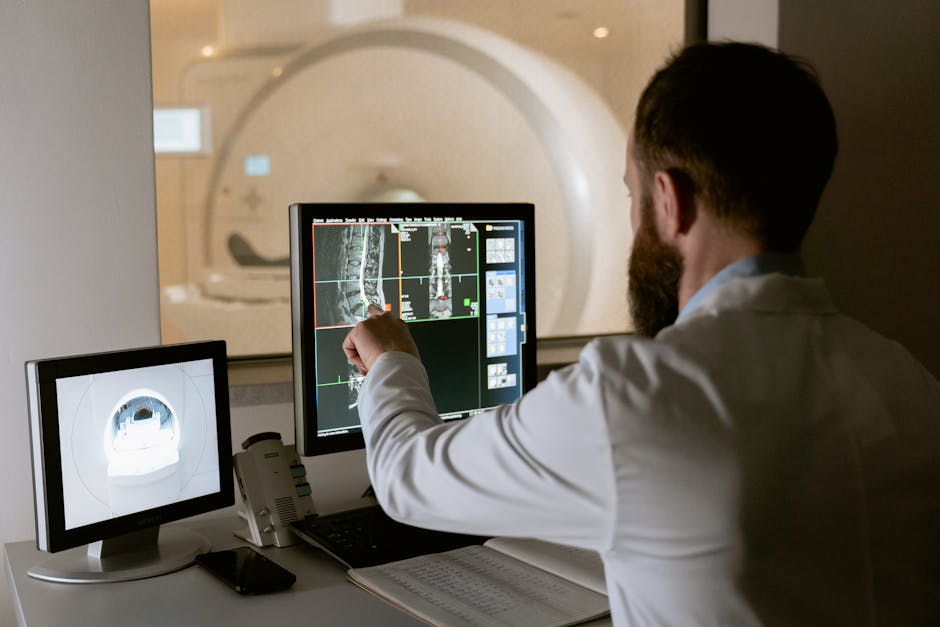
MRI-guided Focused Ultrasound (MRgFUS) uses MRI-guided ultrasound waves to heat and destroy cancerous tissue with remarkable precision. This targeting of only cancerous cells dramatically reduces the risk of incontinence or erectile dysfunction. Studies show it effectively treats intermediate-risk prostate cancer. You can explore the scientific research on MRgFUS effectiveness.
Transurethral Ultrasound Ablation (TULSA) works similarly but from inside the urethra, using controlled heat to eliminate cancerous tissue under MRI monitoring.
Cryoablation uses extreme cold to freeze and destroy cancer cells. Probes create ice balls that encompass and eliminate the tumor.
Irreversible Electroporation (IRE), or the NanoKnife system, is a unique minimally invasive prostate treatment that uses electrical pulses, not thermal energy, to destroy cancer cells. This approach is excellent at preserving delicate nerves and blood vessels.
Weighing Your Options: Modern vs. Traditional Prostate Surgery
For decades, Transurethral Resection of the Prostate (TURP) was the standard solution for prostate problems. While effective, TURP often involved long recovery times, hospital stays, and a high risk of sexual side effects. Today, minimally invasive prostate treatment offers a new toolkit with better outcomes and fewer compromises.
Key Benefits of Minimally Invasive Prostate Treatment
The shift toward minimally invasive prostate treatment is driven by real advantages that improve your treatment and recovery experience.

Shorter recovery times are a celebrated benefit. While TURP can mean weeks of downtime, many modern procedures get you back to your routine faster. PUL patients often return to normal activities in about 11 days (vs. 17 for TURP), and Aquablation recovery takes 2-3 weeks.
Reduced hospital stays mean less disruption. Many minimally invasive prostate treatment procedures are performed in-office, allowing you to go home the same day. Even procedures like HoLEP and Aquablation typically require only one overnight stay.
Lower risk of major complications is a natural result of avoiding large incisions. The precision of modern techniques like Aquablation reduces risks like excessive bleeding, infection, and scarring.
Preservation of sexual function is often the biggest concern for men. PUL maintains both erectile and ejaculatory function, with studies showing 100% preservation of ejaculatory function at two years. Aquablation has less than a 10% risk of retrograde ejaculation.
Less blood loss and pain result from smaller instruments and precise targeting, leading to a more comfortable and smoother recovery.
Potential Risks and Side Effects
While minimally invasive prostate treatment offers compelling advantages, every medical procedure carries some risk. We will always discuss these thoroughly with you.
Urinary incontinence rates are generally low. HoLEP and Aquablation carry less than a 5% risk, while PUL reports around 3%.
Ejaculatory dysfunction varies by treatment. While TURP affects about 65% of men, many minimally invasive options preserve this function. HoLEP and Aquablation have less than a 10% risk of retrograde ejaculation, and PUL studies show preserved function for all patients through five years.
Need for catheterization is greatly reduced. An impressive 80% of PUL patients avoid a post-op catheter. When needed, the duration is often shorter than with older methods.
Retreatment rates indicate long-term durability. Aquablation and HoLEP show excellent results with less than 3% retreatment rates at five years. PUL has a 13.6% surgical retreatment rate at five years, which compares favorably to traditional approaches.
Pelvic pain and urinary tract infections (UTIs) can occur. With PUL, about 6% of patients experience pelvic pain in the first three months. WVTT shows UTI rates around 23.7% in real-world data.
Here’s how the treatments compare side by side:
| Treatment | Recovery Time | Sexual Side Effects (Ejaculatory Dysfunction) | Retreatment Risk (5-year) | Catheterization |
|---|---|---|---|---|
| Traditional TURP | 17 days (return to activities) | 65-75% | 10.9% (Canadian study) | High (often overnight) |
| PUL (UroLift) | 11 days (return to activities) | Preserved (0%) | 13.6% | Low (80% no post-op) |
| WVTT (Rezum) | Days to weeks | Low (40% very satisfied) | 23% (return procedures) | High (avg. 4.5 days) |
| HoLEP | Days to weeks | Low (<10%) | <3% | Moderate (1-2 days) |
| Aquablation | 2-3 weeks | Low (<10%) | <3% | Moderate (2-3 days) |
Impact on Recovery and Quality of Life
The true measure of any minimally invasive prostate treatment is how it restores your quality of life.
Return to normal activities happens much faster, whether it’s work, hobbies, or family time. Patients often report being back to their routines within a week or two.
Symptom improvement is measured by the International Prostate Symptom Score (IPSS), and results are impressive. For example, 74% of WVTT patients show an 8-point or greater improvement.
Long-term efficacy is key. PUL demonstrates durable efficacy and preserved sexual function through five years. Both Aquablation and HoLEP have excellent long-term results with very low retreatment rates.
Reduced need for BPH medications is a welcome bonus. Successful treatment may allow you to reduce or eliminate daily medications, simplifying your routine.
Improving your prostate health is about reclaiming your comfort, confidence, and peace of mind. Learn more about how we help men achieve optimal well-being: More info about Prostate Health.
Creating a Custom Treatment Plan
After 17 years of helping men with prostate issues, I’ve learned there’s no magic bullet. Your situation is unique, which is why we take a personalized approach to minimally invasive prostate treatment at the Center for Men’s Health of Rhode Island.
Choosing the right prostate treatment requires the same thoughtful approach as any major life decision. It’s about finding the right fit for you.
The Role of Shared Decision-Making
I believe the best medical decisions happen when we work together as a team. You are an active partner in the process.
Your preferences matter. Whether your top priority is preserving sexual function, a quick return to work, or avoiding a hospital stay, we factor your goals into the decision. Your lifestyle—from your job to your family responsibilities—also shapes the best treatment choice.
When we sit down together, I’ll explain the risks and benefits of each treatment option in plain English. I want you to have the complete picture, not just the highlights.
Patient education is huge in my practice. The more you understand, the more confident you’ll feel. Studies show that when patients are involved in choosing their treatment, they are happier with the results and have fewer regrets.
This collaborative approach, known as shared decision-making, leads to better outcomes, higher satisfaction, and an improved quality of life.
Factors Influencing Treatment Choice
Several key factors help us create your personalized treatment plan and select the best minimally invasive prostate treatment for you.
Prostate size and shape are critical. Procedures like HoLEP and Aquablation are ideal for larger prostates (over 80 grams), while PUL is a versatile option for prostates up to 100cc. The Optilume system is another option for prostates in the 20-80 gram range.
Symptom severity guides our approach. For mild symptoms, we might start with lifestyle changes. For severe symptoms that disrupt your daily life, it’s time to consider a more definitive minimally invasive prostate treatment.
Your age and overall health are important. We consider other medical conditions and medications to ensure the chosen treatment is safe and effective for you.
The presence of a median lobe, an extra piece of prostate growth, can influence which treatments are most suitable. UroLift, for example, is approved to handle this specific issue.
Preserving sexual function is often a top concern. If this is important to you, we’ll focus on treatments like PUL, Aquablation, and HoLEP, which have excellent track records in this area.
At our Providence practice, we take all these factors seriously because this decision affects your overall quality of life. Learn more about how we approach personalized care: More info about our approach to care.
The Future of Prostate Care: Research and New Technologies
The field of urology is constantly evolving, and minimally invasive prostate treatment is at the forefront of this innovation. New technologies are always on the horizon, promising even better outcomes for men.
Emerging Technologies in Minimally Invasive Prostate Treatment
We are constantly monitoring new advancements to ensure our patients have access to the best possible care.
-
Robotic Waterjet Treatment (RWT) – AquaBeam System: While Aquablation is a form of RWT, research is refining these systems. RWT uses robotic precision to deliver a high-velocity waterjet for tissue removal, with studies showing significant improvements in symptoms and quality of life.
-
Optilume BPH Catheter System: This recently FDA-approved system uses an inflatable catheter coated with paclitaxel, a drug that helps keep the urinary channel open. Clinical trials have shown sustained symptom relief for up to four years with no significant impact on ejaculatory function. You can read the Latest study results on new treatments.
-
Advancements in Robotic Surgery: Platforms like the da Vinci system continue to improve, allowing surgeons to perform complex procedures with greater precision through small incisions. These advancements aim to better preserve sexual function and urinary continence.
Ongoing Research and Clinical Trials
Extensive research is continuously underway to improve minimally invasive prostate treatment.
-
Genomic Research: This helps predict cancer risk and response to treatment, allowing for more individualized care.
-
Improving Imaging Techniques: Advances like MRI fusion imaging provide unprecedented detail of the prostate, allowing for more precise targeting during procedures.
-
Standardizing Retreatment Reporting: There is a recognized need for standardized reporting to provide clearer data for comparing the long-term effectiveness of different procedures.
-
Developing New Energy Sources: Research continues into novel energy sources beyond heat and cold to destroy prostate tissue or cancer cells in a more selective, less invasive way.
-
Reducing Side Effects Further: A constant focus of research is to refine techniques and improve patient selection to further minimize the already low side effects of minimally invasive prostate treatment.
These ongoing efforts mean that the landscape of prostate care is always improving, offering hope and better solutions for men facing BPH and prostate cancer.
Frequently Asked Questions about Minimally Invasive Procedures
It’s natural to have questions when considering minimally invasive prostate treatment. Here are answers to some of the most common concerns I hear from men in my Providence, RI, practice.
How do I know if I am a candidate for a minimally invasive procedure?
Candidacy depends on several factors, not just one. We consider your specific condition (BPH or cancer), symptom severity, prostate size and shape, and your overall health. A thorough evaluation by a urologist, including diagnostic tests like ultrasound or MRI, is essential to determine if a minimally invasive prostate treatment is right for you.
Do these procedures affect sexual function?
Preserving sexual function is a primary goal of most modern minimally invasive treatments. Compared to traditional surgery like TURP (which has a 65% risk of ejaculatory dysfunction), procedures like PUL (UroLift) have shown 100% preservation of ejaculatory function in five-year studies. Aquablation and HoLEP have less than a 10% risk of retrograde ejaculation. While risks are significantly lower, they still exist and should be discussed with your doctor.
Are the results of minimally invasive treatments permanent?
Many minimally invasive prostate treatment options offer durable, long-lasting relief. HoLEP and Aquablation, for example, have very low retreatment rates of less than 3% at the five-year mark. PUL has a surgical retreatment rate of 13.6% at 5 years, which is comparable to traditional TURP. While no procedure can guarantee permanent results because the prostate can continue to change, the vast majority of men experience significant, lasting improvement. A key benefit is that these treatments often don’t prevent you from having other procedures in the future if needed.
Take the Next Step Towards Better Prostate Health
Dealing with prostate health issues can be overwhelming, but you have better options than ever. Modern minimally invasive prostate treatment offers effective relief with faster recovery and fewer side effects, preserving your quality of life.
At the Center for Men’s Health of Rhode Island, we understand this is a significant health decision. Our specialists in Providence, RI, are committed to walking alongside you. We believe in taking the time to listen, understand your lifestyle, and explain your options in plain English.
What sets us apart is our dedication to personalized, in-person care. We work with you to find the treatment approach that makes the most sense for your life. Whether it’s a same-day office procedure like UroLift or a more comprehensive treatment like Aquablation, we’ll help you understand what to expect.
We also recognize that healthcare costs can be a concern. That’s why we offer flexible payment options to make your treatment accessible. Your health shouldn’t be delayed because of financial worries.
Men who come to our practice often tell us they wish they’d sought help sooner, amazed at how much their quality of life improves. Simple things like sleeping through the night or traveling without anxiety become possible again.
Ready to take control of your prostate health? We’re here to help you explore how modern minimally invasive prostate treatment can restore your comfort and confidence. To learn more about how we can help you manage your BPH symptoms, explore our BPH treatment services.
Your journey to better prostate health starts with a conversation. Let’s have that conversation together.